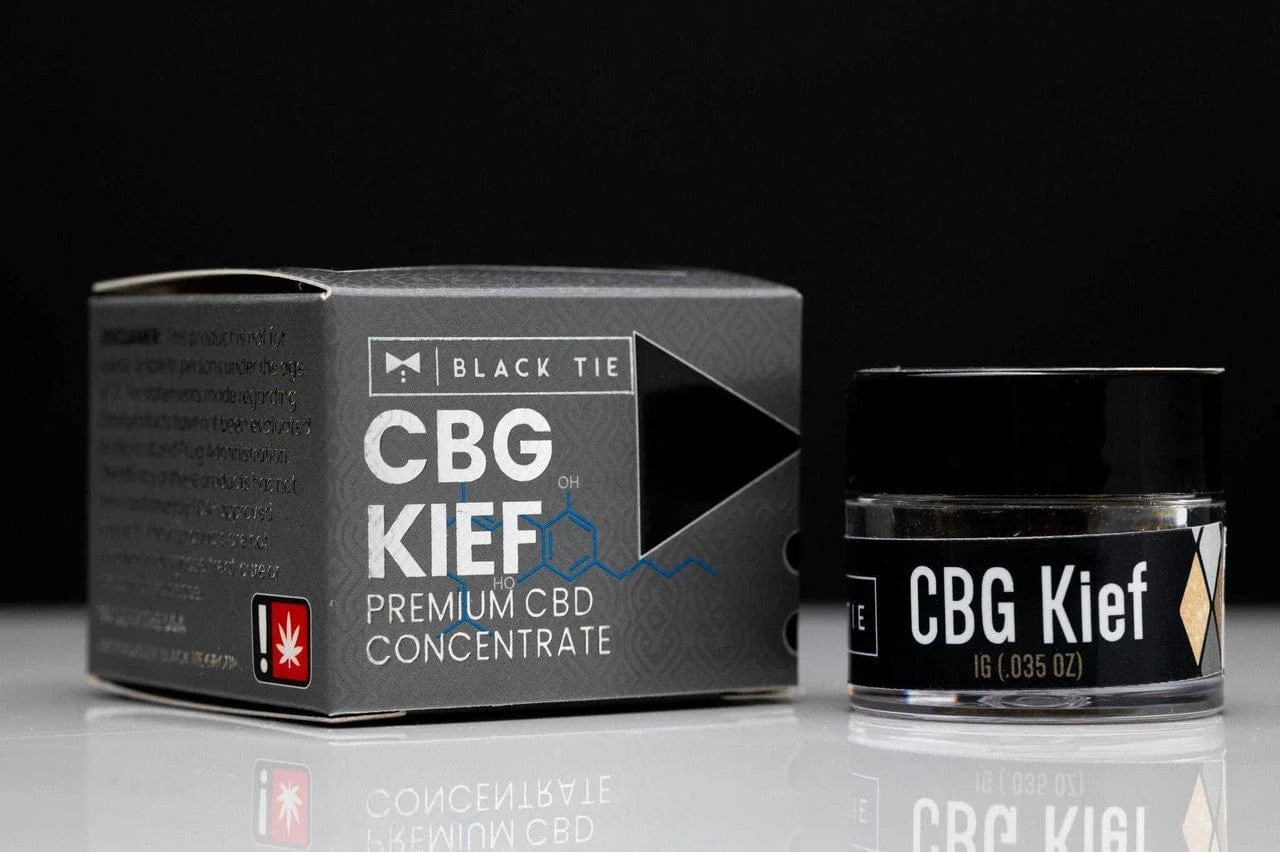
Cannabigerol (CBG) Kief
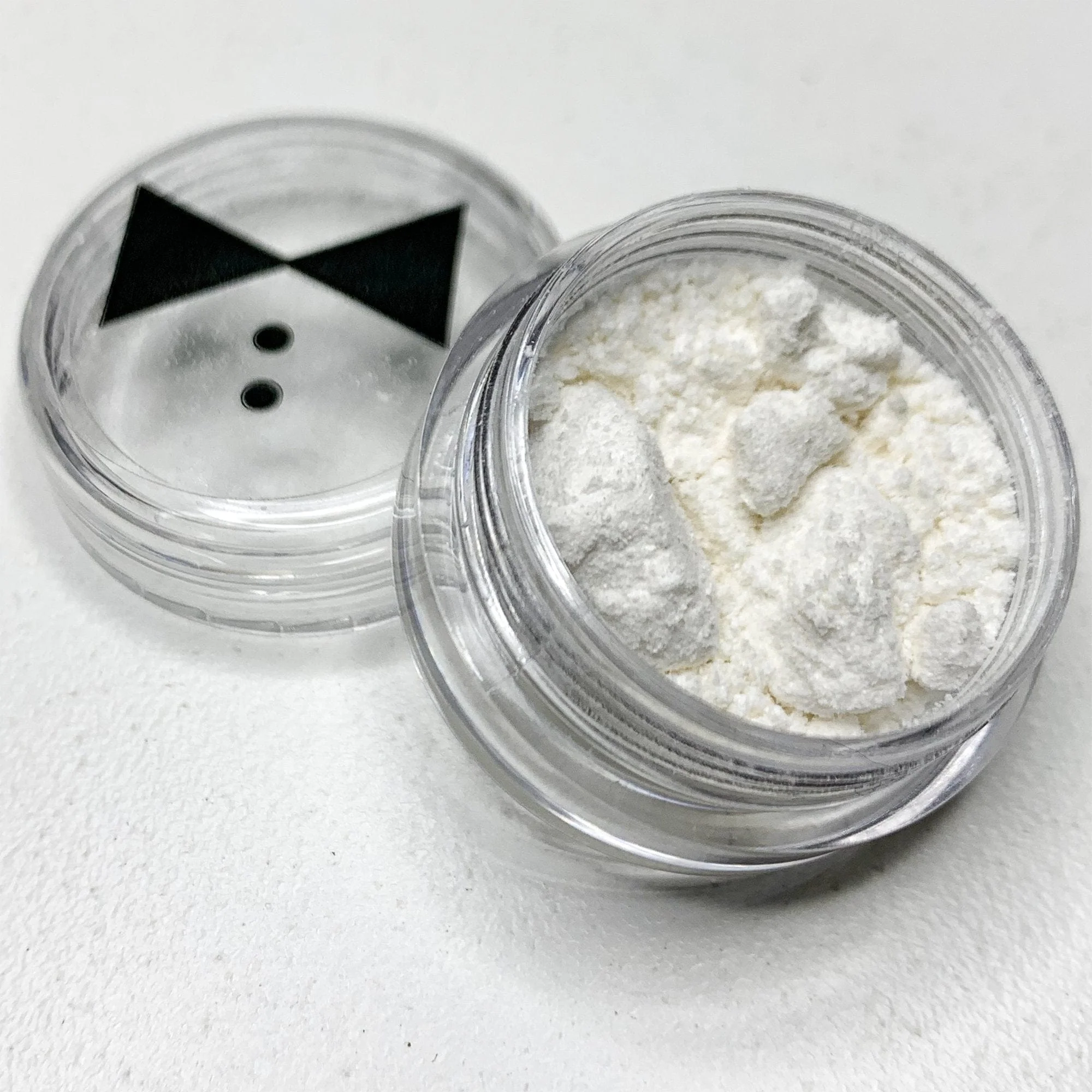
CBG KIEF - CBG is the chemical parent of THC and CBD. Cannabis plants produce cannabigerolic acid (CBGA), which is the the precursor to the three main cannabinoid lines: tetrahydrocannabinolic acid (THCA), cannabidiolic acid (CBDA), and cannabichromenic acid (CBCA). Black Tie CBG Kief is solventlessly extracted from our CBG-rich Hemp Flower strain - Lemon Cream Diesel.
CBGa: 18.79%
CBG: 22.98%
Total Cannabinoids: 41.83%
Total THC: 0%
**3rd Party Lab Result Available HERE!**
Research on CBG Kief suggests that it may be beneficial for certain physiological systems and conditions including glaucoma, inflammatory bowel disease, Huntington's disease, staph infections, appetite stimulation, bladder disorders, psoriasis, and more. The potential for using CBG for medicinal use is promising:
-As a powerful vasodilator and with its neuroprotective effects, CBG may contribute to glaucoma treatment by helping reduce intraocular pressure.
-Animal experiments involving mice found CBG to be effective in decreasing inflammation typically associated with inflammatory bowel disease.
-A 2015 study showed that CBG may protect neurons in mice with Huntington’s disease, which is characterized by nerve cell degeneration in the brain.
-European research uncovered antibiotic properties of CBG to suggest that it may be effective as a remedy for methicillin-resistant Staphylococcus aureus (MRSA) microbial strains resistant to several classes of drugs.
-A 2017 study published by Behavioral Pharmacology found that a purified form of CBG that removes THC could help with appetite stimulation in rats. This may be promising to counter the effects of treatments like chemotherapy.
-A study analyzing the effects of cannabinoids on bladder contractions found that CBG tested best at inhibiting muscle contractions, leading experts to believe that CBG may be a useful tool for preventing bladder dysfunction disorders.
The promising results of this initial research is prompting scientists to conduct further studies on both CBG as well as CBG in conjunction with other cannabinoids as treatment remedies. In addition to research-based evidence, Black Tie CBD has customers who sing its praises. CBG Kief customers say it has helped with fibromyalgia, chronic pain, arthritis, and as an alternative to muscle relaxers.
***Information provided by Leafly. https://www.leafly.com/news/cannabis-101/what-is-cbg-cannabinoid
Original: $14.99
-65%$14.99
$5.25More Images
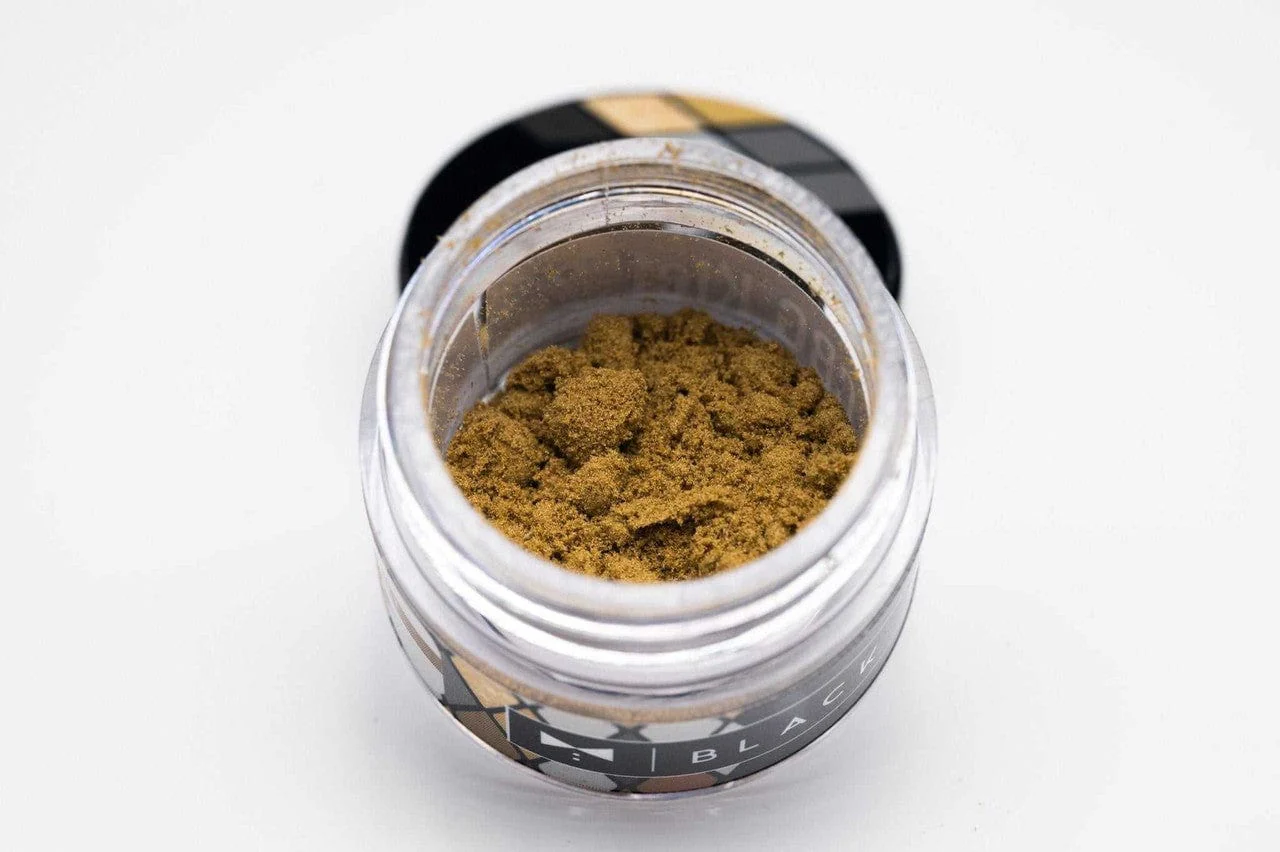
Cannabigerol (CBG) Kief
CBG KIEF - CBG is the chemical parent of THC and CBD. Cannabis plants produce cannabigerolic acid (CBGA), which is the the precursor to the three main cannabinoid lines: tetrahydrocannabinolic acid (THCA), cannabidiolic acid (CBDA), and cannabichromenic acid (CBCA). Black Tie CBG Kief is solventlessly extracted from our CBG-rich Hemp Flower strain - Lemon Cream Diesel.
CBGa: 18.79%
CBG: 22.98%
Total Cannabinoids: 41.83%
Total THC: 0%
**3rd Party Lab Result Available HERE!**
Research on CBG Kief suggests that it may be beneficial for certain physiological systems and conditions including glaucoma, inflammatory bowel disease, Huntington's disease, staph infections, appetite stimulation, bladder disorders, psoriasis, and more. The potential for using CBG for medicinal use is promising:
-As a powerful vasodilator and with its neuroprotective effects, CBG may contribute to glaucoma treatment by helping reduce intraocular pressure.
-Animal experiments involving mice found CBG to be effective in decreasing inflammation typically associated with inflammatory bowel disease.
-A 2015 study showed that CBG may protect neurons in mice with Huntington’s disease, which is characterized by nerve cell degeneration in the brain.
-European research uncovered antibiotic properties of CBG to suggest that it may be effective as a remedy for methicillin-resistant Staphylococcus aureus (MRSA) microbial strains resistant to several classes of drugs.
-A 2017 study published by Behavioral Pharmacology found that a purified form of CBG that removes THC could help with appetite stimulation in rats. This may be promising to counter the effects of treatments like chemotherapy.
-A study analyzing the effects of cannabinoids on bladder contractions found that CBG tested best at inhibiting muscle contractions, leading experts to believe that CBG may be a useful tool for preventing bladder dysfunction disorders.
The promising results of this initial research is prompting scientists to conduct further studies on both CBG as well as CBG in conjunction with other cannabinoids as treatment remedies. In addition to research-based evidence, Black Tie CBD has customers who sing its praises. CBG Kief customers say it has helped with fibromyalgia, chronic pain, arthritis, and as an alternative to muscle relaxers.
***Information provided by Leafly. https://www.leafly.com/news/cannabis-101/what-is-cbg-cannabinoid
Product Information
Product Information
Shipping & Returns
Shipping & Returns
Description
CBG KIEF - CBG is the chemical parent of THC and CBD. Cannabis plants produce cannabigerolic acid (CBGA), which is the the precursor to the three main cannabinoid lines: tetrahydrocannabinolic acid (THCA), cannabidiolic acid (CBDA), and cannabichromenic acid (CBCA). Black Tie CBG Kief is solventlessly extracted from our CBG-rich Hemp Flower strain - Lemon Cream Diesel.
CBGa: 18.79%
CBG: 22.98%
Total Cannabinoids: 41.83%
Total THC: 0%
**3rd Party Lab Result Available HERE!**
Research on CBG Kief suggests that it may be beneficial for certain physiological systems and conditions including glaucoma, inflammatory bowel disease, Huntington's disease, staph infections, appetite stimulation, bladder disorders, psoriasis, and more. The potential for using CBG for medicinal use is promising:
-As a powerful vasodilator and with its neuroprotective effects, CBG may contribute to glaucoma treatment by helping reduce intraocular pressure.
-Animal experiments involving mice found CBG to be effective in decreasing inflammation typically associated with inflammatory bowel disease.
-A 2015 study showed that CBG may protect neurons in mice with Huntington’s disease, which is characterized by nerve cell degeneration in the brain.
-European research uncovered antibiotic properties of CBG to suggest that it may be effective as a remedy for methicillin-resistant Staphylococcus aureus (MRSA) microbial strains resistant to several classes of drugs.
-A 2017 study published by Behavioral Pharmacology found that a purified form of CBG that removes THC could help with appetite stimulation in rats. This may be promising to counter the effects of treatments like chemotherapy.
-A study analyzing the effects of cannabinoids on bladder contractions found that CBG tested best at inhibiting muscle contractions, leading experts to believe that CBG may be a useful tool for preventing bladder dysfunction disorders.
The promising results of this initial research is prompting scientists to conduct further studies on both CBG as well as CBG in conjunction with other cannabinoids as treatment remedies. In addition to research-based evidence, Black Tie CBD has customers who sing its praises. CBG Kief customers say it has helped with fibromyalgia, chronic pain, arthritis, and as an alternative to muscle relaxers.
***Information provided by Leafly. https://www.leafly.com/news/cannabis-101/what-is-cbg-cannabinoid